
Once I started working in sexual health - I used to work at Britain's leading HIV and sexual health charity, Terrence Higgins Trust - you couldn’t stop me from throwing out random facts about HIV and STIs, constantly reminding my friends to get tested regularly – yes, I was that friend! I have had the pleasure to work with some amazing HIV activists and campaigners. One of my proudest pieces of work was a story I worked on about the dangers of HIV Stigma in the Black African community. Even though I no longer work in sexual health, the topic of black women and HIV is still something I remain very passionate about.
Much of my work was centred around amplifying the experiences of black African women living with or affected by HIV within the media work and campaigns we produced – as they’re one of the groups most affected by HIV in the UK. The most recent HIV surveillance data in the UK shows that: In 2020, women and people of Black African ethnicity were among the groups who were more likely to be diagnosed at a late stage compared to men, younger age groups (aged 15 to 49) and people of white or other ethnicity.
Late diagnosis is when you’ve tested positive for HIV after the virus has already started to damage your immune system. The sooner you find out you have HIV, the better it is for your health.
As it’s National HIV Testing Week, this is the perfect time to have an open and honest conversation about how we can tackle HIV among black African women:
Stop the stigma
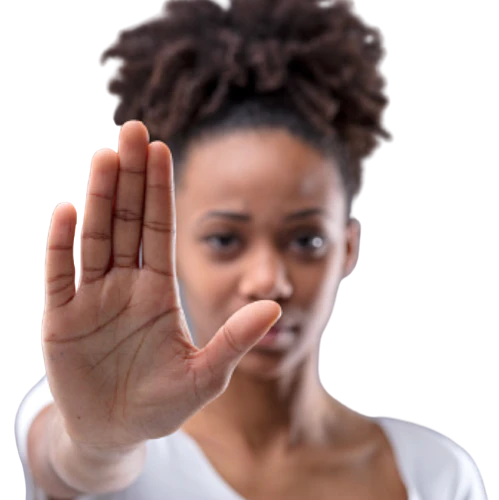
When I would go to outreach community events, I would have great conversations with black African women about HIV testing. Throughout many of these conversations, I realised that stigma could prevent some women from getting tested. With no knowledge of the advancements being made in HIV/AIDS treatment, many just assume that a positive result is some sort of death sentence, which is why they may avoid getting tested, to avoid the risk of receiving bad news. However, we know now thanks to treatment this is not the case. An HIV diagnosis is not a terminal prognosis any longer. People with HIV are living long, healthy and fulfilling lives. The more people know this; the sooner we can put an end to HIV stigma.
‘Many of the black African women I speak to often say that the stigma attached to being HIV positive in the community is sometimes harder to deal with than managing the actual disease. Having people isolate you from your community or treat you differently can have a detrimental impact on your mental health,’ says Husseina, lead of the Red Ribbon Living Well Project.
HIV discrimination is based on outdated beliefs and misinformation about HIV and its transmission
‘As a black African Muslim woman, I have experienced stigma. HIV discrimination is based on outdated beliefs and misinformation about HIV and its transmission. We need to start making sure that our community leaders and social groups are educated about the realities of living with HIV in today’s society.’ In fact, modern medical science has made it possible for people with HIV to have fulfilling sexual lives without the risk of transmitting the virus to their partners.
Encourage regular testing
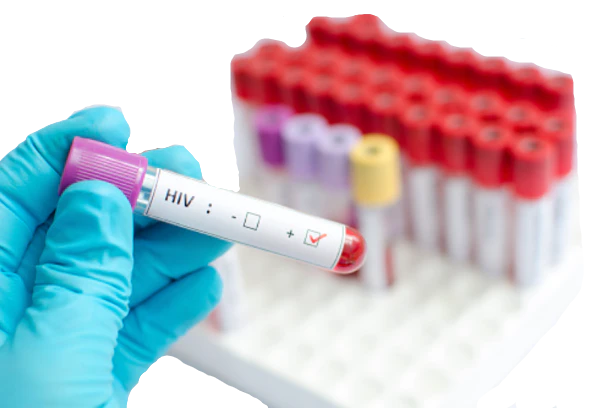
It’s good to practice getting tested at least once a year, or perhaps more (depending on how many sexual partners you have, and how frequently you engage with new partners). However, I’m ashamed to admit I had never had a HIV test until I started working in sexual health. I had just assumed that I didn’t need to have one. A YouGov poll revealed that: 77% of people in the UK have never had an HIV test, and just 16% of UK adults knew about at-home test kits.
‘It is really important for Black women to get an HIV test regularly – especially when changing partners or if it has been a few years since the last test,’ says Chamut Kifetew, project manager of the HIV Prevention Programme at Terrence Higgins Trust.
77% of people in the UK have never had an HIV test, and just 16% of UK adults know about at-home test kits
‘Many women may believe that they are not personally at risk of getting the virus. However, most people get HIV from someone who doesn’t know they have it – someone living with the condition can go for years without showing symptoms. The only way to know for sure is to get an HIV test.’
Learn about PrEP
If you search ‘how to prevent HIV transmission’ on Google, the first mentioned option is condoms. Now, although condoms can in fact prevent you from contracting HIV, it’s not the only option, there is also PrEP. PrEP a.k.a pre-exposure HIV prophylaxis, is a pill you can take on an ongoing basis before sex and continued after sex to prevent HIV infection. So in short it’s a pill you can take to protect you against HIV.
According to a BMJ report: Uptake of PrEP remains limited among Black African and Caribbean women living in the UK. Whilst doing outreach work at black African community events, I realised that many black women either don’t know about PrEP or assume that it’s only for gay and bisexual men, which is not the case. You can find out more about PrEP on the PrEPster website. In brief, it is a safe and effective medication, which can allow you to protect yourself from HIV even if you have sex without condoms - in the case of long-term sexual relationship for example.
There is nothing embarrassing about asking your partner if they’ve been tested or not. After all, if you don’t make your sexual health a priority who will?
You can order your FREE HIV test kit here – once you return your sample, you’ll receive a text with your result. You can also find out where your local HIV testing services are by visiting the NHS website. PrEP is now FREE from most NHS sexual health clinics across London. Contact your clinic to book an appointment - find your PrEP clinic in the links here.