
Spotting between periods can be caused by many different things, from ovulation to contraception, and in rare cases, more serious conditions.
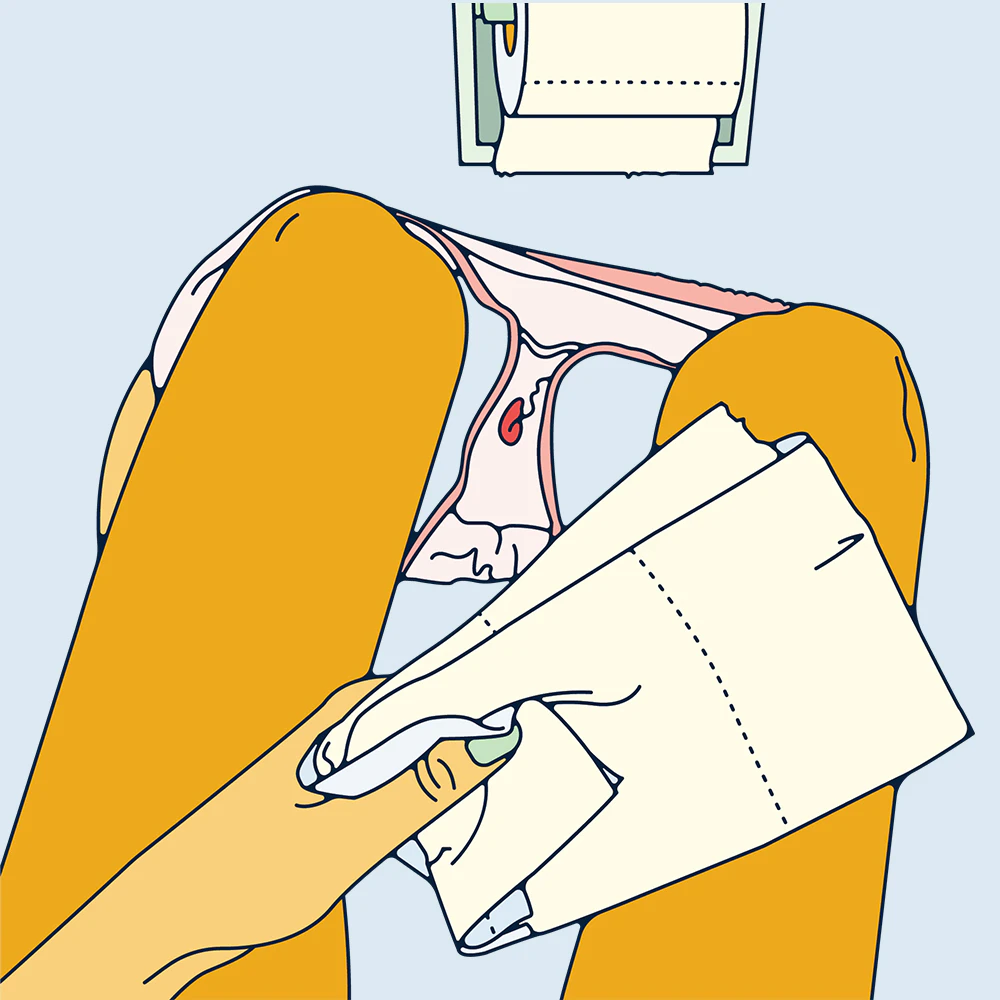
If you’ve ever noticed a reddish stain on your underwear or toilet paper when you weren’t on your period, keep reading to learn more about what can cause spotting.
What is spotting?
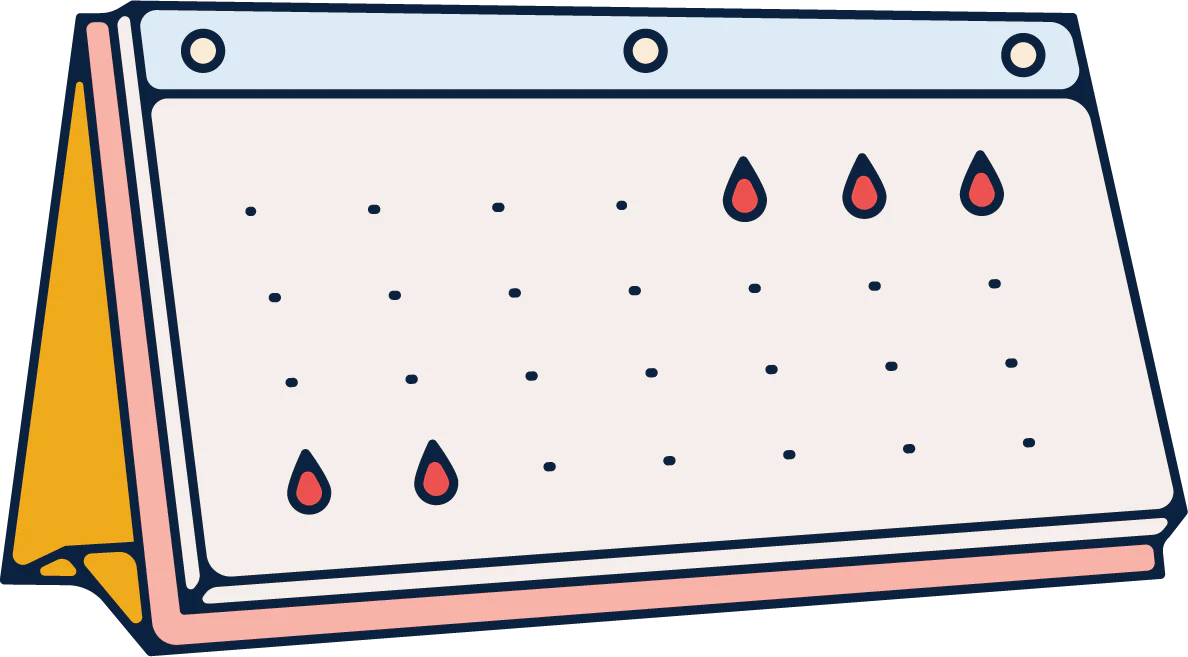
Spotting is defined as any abnormal vaginal bleeding that happens outside your period, and is light enough to not need protection (like a pad or tampon). Admittedly, that's a bit of a vague definition because many people may still want to use a pad or liner if they’re spotting, but any sort of bleeding when you’re not on your period is considered spotting.
However, light bleeding right before or after your period is not spotting – it’s just the start or end of your period.
What causes spotting in between periods and is it normal?
“There are so many reasons for vaginal bleeding or spotting,” says Dr. Sotonye West, an obstetrics and gynaecology doctor and creator of the @gynaegossip Instagram account.
“Any type of vaginal bleeding in between normal menstruation should warrant a trip to your doctor to make sure that it’s not caused by anything serious.”
Ovulation spotting
“A ‘normal’ cause for spotting before you get your period may be during ovulation,” says Dr. West. “This may only be diagnosed once other causes are ruled out, however.”
Although it’s not very common, some people experience spotting when they ovulate (in the middle of your cycle). Ovulation spotting can last a few days and manifest as light pink or red in colour. Other signs of ovulation include:
- An increase in vaginal discharge (caused by the production of cervical mucous)
- Discharge that has the consistency of raw egg whites
- Abdominal pain, often on one side (known as mittelschmerz)
- Breast tenderness
Breakthrough bleeding
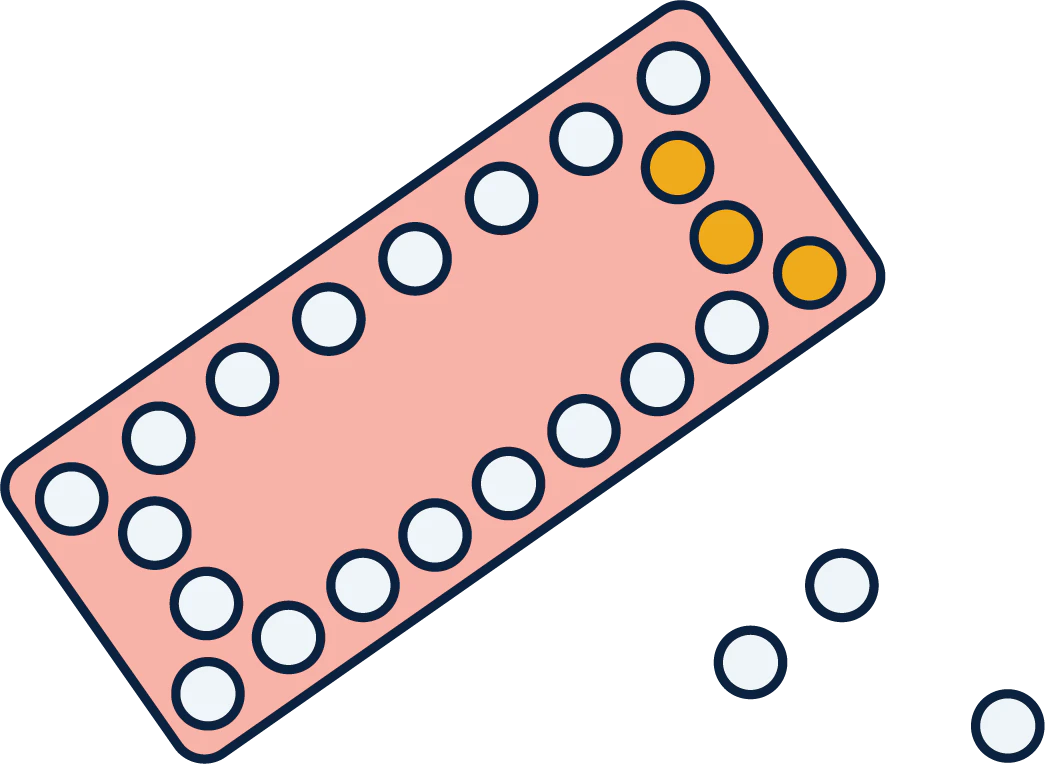
“Breakthrough bleeding is regarded as unscheduled vaginal bleeding that often happens when starting a new contraceptive,” explains Dr. West. “Your doctor will let you know if your spotting or bleeding is likely due to this.”
Hormonal methods of contraception such as the contraceptive pill, patch, injection, ring, implant and IUS can all cause spotting. It’s often a temporary side effect of hormonal contraception and it typically stops after three to six months.
Breakthrough bleeding can also happen with certain methods of contraception that allow you to take a four or seven day placebo, such as the oral contraceptive pill.
The “periods” you have while on the pill are not real periods, but rather breakthrough bleeds.
STIs and pelvic inflammatory disease
STIs such as chlamydia or gonorrhoea can cause vaginal bleeding between periods or after sexual intercourse. Other symptoms of STIs include:
- Painful urination
- Unusual vaginal discharge
- Pelvic pain or itching
If untreated, STIs can spread to the upper reproductive tract and lead to pelvic inflammatory disease (PID), which also causes abnormal vaginal bleeding.
Abnormal bleeding between periods is a common symptom of PID. You can develop PID if bacteria spreads from your vagina to your uterus, fallopian tubes, or ovaries.
Other symptoms of PID include:
- Painful sex or urination
- Abdominal pain
- A high fever
- Foul-smelling or abnormal vaginal discharge
Bleeding after sex
“Bleeding after sex is called post-coital bleeding,” explains Dr. West. “Common causes for this include issues with the cervix, such as a cervical ectropion, a non-cancerous condition that occurs when the cells from the “inside” of the cervix appear on the outside.”
“These cells give a redder appearance to the cervix and can bleed on contact. Anything from infections to serious medical conditions such as cervical cancer can also present with post-coital bleeding so please go get this checked out (and attend your smear tests!).”
Trauma from intercourse or lack of vaginal lubrication can also cause bleeding. If you experience pain during sex, speak to your GP. Sex should only be painful if you and your partner(s) have mutually consented to that!
Bleeding during pregnancy
Spotting can be a common symptom of early pregnancy. About 15-25% of people experience light bleeding during their first trimester. This can be mistaken as a period, which is why many people don’t realise they’re pregnant right away.
Spotting during the beginning of a pregnancy isn’t a cause for concern, but you should let your doctor know regardless. If you experience heavy bleeding or pelvic pain during pregnancy, contact your doctor or an emergency service right away.
Sometimes, spotting occurs when a fertilised egg attaches to the lining of your uterus, but not everyone experiences implantation spotting.
Polyps and fibroids

Conditions like cervical polyps or uterine fibroids, can also cause spotting.
Cervical polyps are small, benign abnormal tissue growths that can occur in the cervix and uterus. Uterine fibroids, on the other hand, are noncancerous growths that occur in the lining of the womb.
Cancer
Endometrial, cervical, ovarian and vaginal cancer can all cause abnormal bleeding.
Most of the time, spotting isn’t a sign of cancer. However, if you experience spotting between periods, you should speak to your doctor.
“At the end of the day, if you notice any kind of vaginal bleeding in between your periods then please seek the advice of your doctor,” says Dr. West. “In many cases, it’s nothing too serious but it’s always better to be safe than sorry!”