

Every day after lunch, I take my little container of vitamin D spray and squirt some under my tongue. Apparently, that’s a highly effective way of getting vitamin D into the bloodstream; and it’s an inherent part of my daily routine I wouldn’t be without. I’m irritatingly prone to coughs, colds and bugs, so the main reason I take vitamin D is to help regulate my immune system (and the benefits for my bones, teeth and muscles aren’t to be sniffed at, either).
But I’ve now learned that vitamin D could be helping more than my physical health. It could (emphasis on ‘could’!) be helping my (often debilitating) anxiety, too. As Neurotherapist and Naturopath Alexa Ryan says: “There is a strong link between vitamin D deficiency and anxiety.”
But, of course, there’s always more to the story. What exactly counts as a ‘vitamin D deficiency’? Is this link definite, or is further research needed? And can a vitamin D deficiency be linked to any other aspects of our mental health?
These are all crucial questions. So we’ve asked experts to cover all this – and more – below.
What exactly is a vitamin D deficiency?
“Very simply, a ‘vitamin D deficiency’ is when the body lacks an adequate amount of this essential nutrient,” says Dr. Brynna Connor, MD, Healthcare Ambassador at NorthWestPharmacy.com. “Vitamin D is a fat-soluble vitamin that plays an integral role in the body’s ability to maintain stable levels of calcium and phosphate (which are both crucial for various physiological functions), as well as bone health, immune system function and neuromuscular activity.
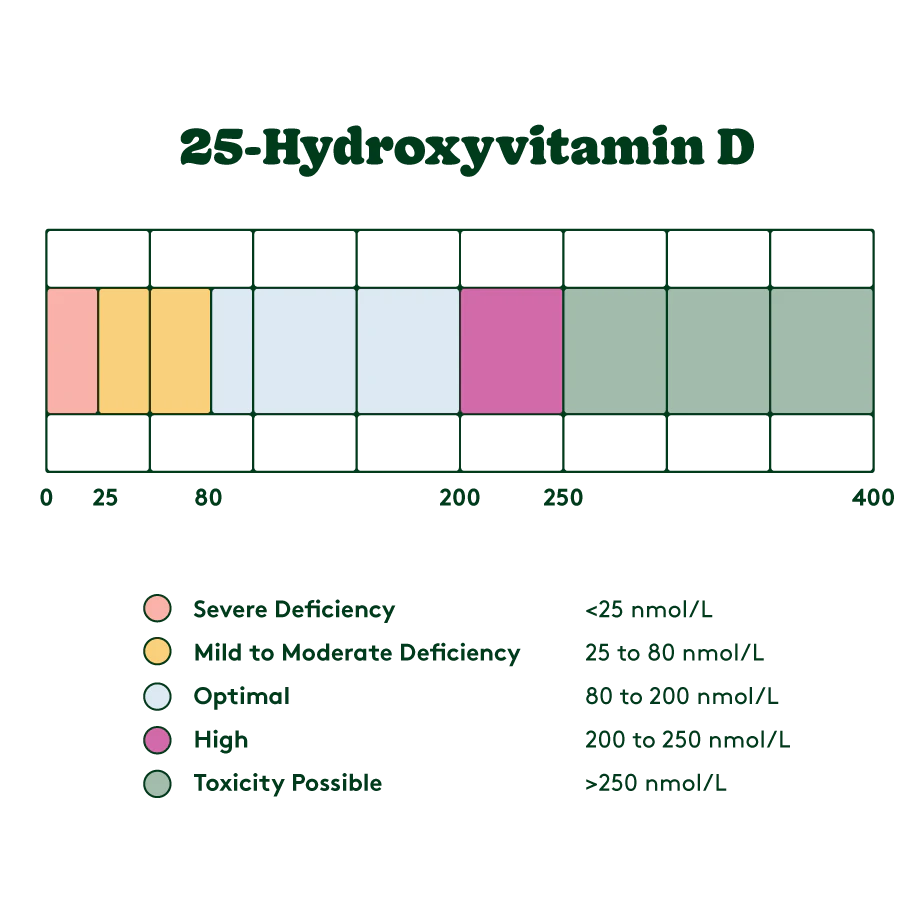
“Typically, a vitamin D deficiency is defined by the levels of 25-hydroxyvitamin D (25(OH)D),” Connor continues. This highly complicated wording is also known as calcidiol, which is “the major circulating form of vitamin D in the body and how doctors determine someone’s vitamin D status”. Connor also provided a helpful list of the vitamin D ranges (though these can vary depending on the individual and other factors):
- Deficient: < 30 ng/mL
- Insufficient: 30–50 ng/mL
- Sufficient: > 50 ng/mL
“Vitamin D deficiency can result from inadequate sun exposure, poor dietary intake, malabsorption syndromes, chronic kidney or liver disease, and/or certain medications,” Connor concludes.

What’s the link between vitamin D and anxiety?
For starters, it’s not quite as simple as ‘Take vitamin D and your anxiety will disappear!’. As ever, there’s no silver bullet.
“While there is evidence to support a link between vitamin D deficiency and anxiety, it’s important to note that it appears to be one of correlation, not causation,” explains Connor: “Meaning, yes, there’s a relationship between the two, but vitamin D deficiency doesn’t directly cause anxiety.
“This link is due to vitamin D’s role in the physiological processes, particularly neurotransmitter regulation and inflammation,” Connor continues. “Vitamin D receptors are found in areas of the brain involved in mood regulation, such as the hippocampus and prefrontal cortex. Vitamin D may also influence serotonin synthesis, which plays a key role in anxiety and depression. Vitamin D also has anti-inflammatory properties, and chronic, low-grade inflammation, which can result from deficiency, has been linked to several anxiety disorders like depression, anxiety, schizophrenia and seasonal affective disorder (SAD).”
So there you have it; low levels of vitamin D could play a role in anxiety levels, not to mention depression and other mental health difficulties. But, as Connor added: “We need more high-quality randomized controlled trials to confirm causation and determine whether supplementation significantly reduces anxiety symptoms.”
If you’re reading an article on the Vitals blog, we’d hazard a guess that you’re in possession of a uterus. In which case, you may be wondering: ‘What about hormones? Could a vitamin D deficiency be impacting how I feel at certain times of the month?’ To which we’d answer: Very possibly; particularly when it comes to PMDD (pre-menstrual dysphoric disorder).

What’s the link between vitamin D deficiency and PMDD?
“A vitamin D deficiency may exacerbate the mental health symptoms of PMS,” says Yvette Hill, Registered Dietician Nutritionist at www.yvettehill.com. “While the research on the more severe [PMDD] is sparse, a vitamin D deficiency may also worsen symptoms here as well.”
“Emerging research suggests that vitamin D deficiency may worsen PMDD symptoms for a few reasons, including the hormonal interaction between vitamin D, estrogen and progesterone, both of which are integral to the menstrual cycle, and may influence mood symptoms in PMDD,” says Connor.
“The inflammatory pathways may also play a factor, as, similar to anxiety, PMDD may involve elevated inflammatory markers. Since vitamin D has anti-inflammatory effects, deficiency might contribute to a pro-inflammatory state that can exacerbate mood swings and irritability,” Connor continues. “Finally, vitamin D can potentially impact serotonin production, which is especially relevant in PMDD, as serotonergic dysregulation (the imbalance or malfunction of the serotonin system in the body, primarily affecting the brain and nervous system) is a known characteristic.”
So there you have it. A vitamin D deficiency can be linked to not only heightened anxiety, but also to increased PMDD mental health symptoms.
But what’s the answer? We’ve dwelled on the negative side of things – but how can we move things on to a more positive note?
What should I do if I’m vitamin D deficient?
“For someone who thinks they have a vitamin D deficiency and struggles with anxiety/depression/PMDD, they should first ask their doctor for a blood test (specifically one called 25-Hydroxyvitamin D), as it tells us exactly how low your levels are, and helps guide what treatment you need),” says Connor.
Then, if you are deficient, there are a number of things you can do to get your levels up to where you need them to be.
Ryan emphasises the importance of vitamin D testing and subsequent supplementation (if needed). “Dosage should be individualised,” she says; but, as a starting point, the NHS indicates that ‘children from the age of 1 year and adults need 10 micrograms of vitamin D a day.’ Ryan adds that, during low sunlight months or seasons (October to early March in the UK) – especially in regions that experience extreme sunlight deprivation – supplementation is especially key. “Also, vitamin D is a fat-soluble nutrient, meaning it should be taken with foods that contain healthy fats to ensure absorption,” Ryan concludes.
“It’s important to note that you should never self-dose with high quantities of vitamin D without medical advice/guidance, as too much vitamin D can be detrimental to your health,” warns Connor. On that note, the NHS states: ‘Do not take more than 100 micrograms (4,000 IU) of vitamin D a day’.
It doesn’t all have to be about supplements, though; Connor adds: “Getting additional sun can also be an option; making sure not to burn or tan! Just short, regular exposure can be beneficial.” (Please wear SPF, though…)
Ultimately, if you’re curious or concerned about your vitamin D levels at all, book an appointment with your doctor and ask to get your vitamin D levels tested. You never know; it could be as simple as an under-the-tongue daily spray. And we can’t resist the opportunity to let you know that Daye’s Hormone Test tests for Vitamin D, too…